
How to Choose Travel Insurance For a Trip Abroad
Travel insurance in 2025
What UAE travellers should check before buying a policy
Travel from the UAE has rebounded past pre-pandemic levels, and so have the risks: longer trips, more adventure itineraries, more families flying with small children, and tighter visa rules that require proof of cover. The way travel insurance is sold has shifted too, with most residents now buying travel insurance online in the UAE in a few minutes instead of visiting a broker.
The question is no longer whether to buy a policy, but how to pick one that actually pays when something goes wrong abroad.
Why it matters
The real cost of travelling uninsured
A single hospital night in Western Europe or North America can run into thousands of dollars. An air ambulance back to the UAE can cross six figures. Travel insurance exists so one bad day on holiday does not turn into years of debt. According to the World Health Organization road traffic injuries alone kill around 1.19 million people a year, and tourists are over-represented in unfamiliar driving conditions.
Trend 1
Medical cover is becoming the headline feature
The most useful part of any policy is medical. In a country you do not know, you have no idea which clinic to call, which hospital accepts walk-ins, or whether your card will be charged on the spot. A proper medical plan replaces all of that with one phone number.
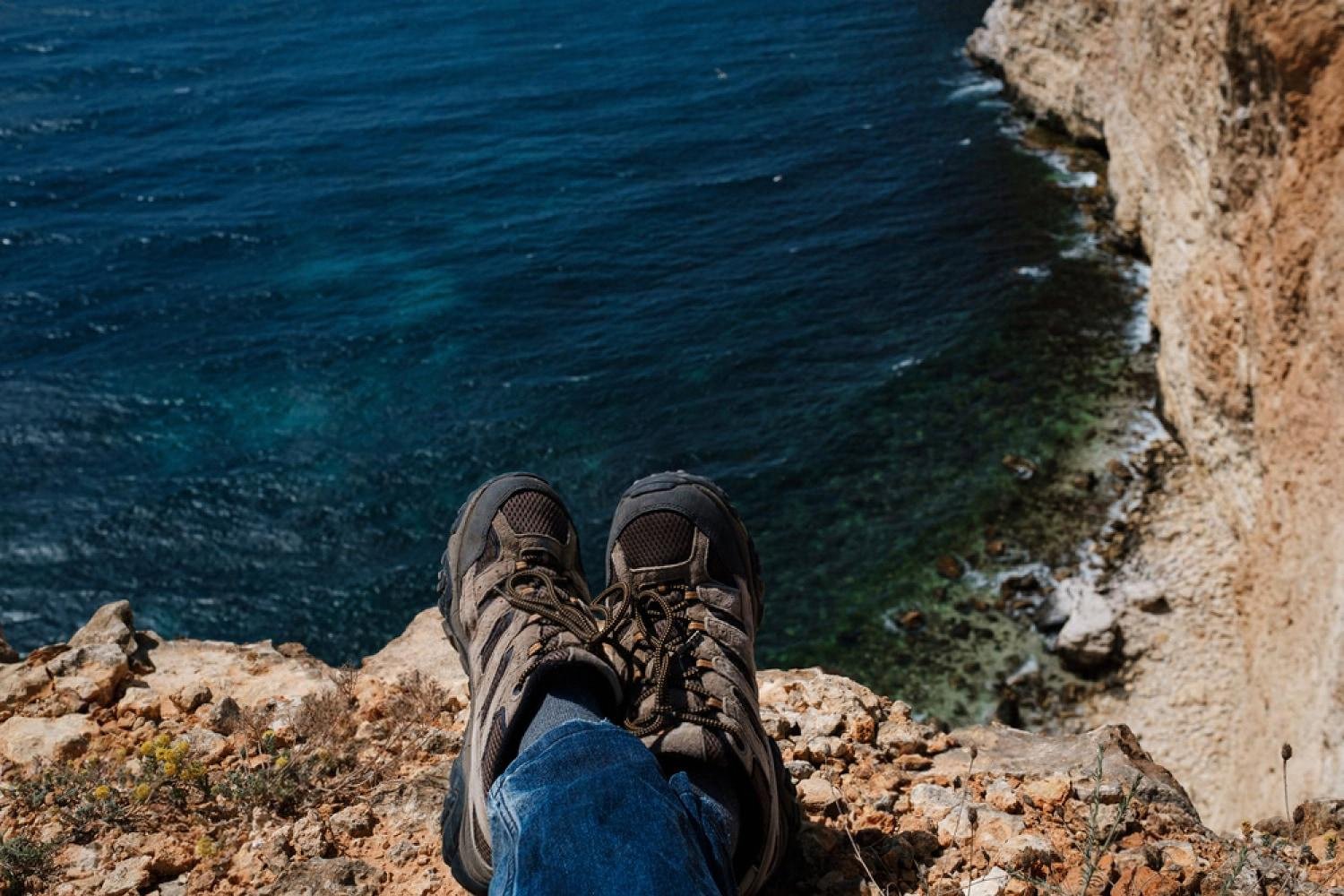
Food poisoning, acclimatisation headaches, infected insect bites and minor sprains make up most real-world claims. For adventure trips (mountain hikes, dune drives, diving, skiing) the odds of a fracture or deep cut climb sharply, and the hospital bill climbs with them.
- Minimum medical limit of USD 100,000 for Europe, 250,000+ for the US and Canada
- Direct billing to the hospital, not reimbursement after you pay
- 24/7 assistance line in English and Arabic
- Medical evacuation and repatriation to the UAE included

Trend 2
Family policies are being redesigned around children
Insurers have noticed that kids drive a disproportionate share of claims. A child’s temperature can spike in a new climate within hours, insect bites often come with fever or heavy itching, and tired parents end up in an unfamiliar emergency room at 2 a.m.
- House-call doctors arranged by the assistance line, so you do not drag a sick child across a city
- Paediatric cover for prescribed medicines, not just the consultation
- Hospitalisation of a parent paid for if a child needs to be admitted
- Return of minor children to the UAE if the insured adult is hospitalised
Trend 3
Baggage and flight disruption cover is finally catching up
After the airline chaos of recent years, baggage and delay cover stopped being an afterthought. Modern policies pay out faster, often on proof of a boarding pass and a delay confirmation, without waiting for an airline investigation.
- Lost or delayed baggagewith a per-item cap and a total cap, plus an emergency allowance if the bag is more than 12 or 24 hours late
- Flight delay after a set threshold (usually 4 to 6 hours) covering meals, transport and a hotel night
- Missed connection when a delay on the first leg causes you to miss the second
- Trip cancellation for named reasons: illness, bereavement, visa refusal, jury duty, employer recall
Trend 4: Policies are being matched to how you actually travel
Short city breaks
A single-trip policy with modest medical cover and strong delay protection is usually enough. Check the Schengen minimum of EUR 30,000 if you are flying into Europe.
Frequent flyers
An annual multi-trip plan pays for itself after three or four trips. Confirm the maximum length of any single trip, often capped at 30, 45 or 90 days.
Adventure and sports
Standard plans quietly exclude diving below 10 metres, off-piste skiing, climbing, and motorbike riding without a licence. Add the sports pack or buy a specialist policy.
“The next five years of travel insurance will be less about selling a document at the airport and more about delivering care on the ground: an app that books your doctor, pays the hospital, and tracks your bag in real time.”
The checklist
How to compare two policies in ten minutes
- Medical limit and whether it is per trip or per incident
- Deductible or excessthe amount you pay before cover starts
- Exclusions: pre-existing conditions, pregnancy after a certain week, alcohol-related incidents, extreme sports
- Geography: worldwide excluding USA/Canada is cheaper, but useless if your layover is in New York
- Claim process: can you file through an app, or do you need to post original receipts?
- Visa compliance: Schengen, UK and some other destinations require specific minimums
Where to buy, and what to avoid
Most UAE residents now compare and buy online in one sitting. The convenience is real, but the cheapest result on an aggregator is rarely the one that pays out smoothly. Look past the headline price and read the policy wording for exclusions. If your credit card already includes travel cover, check the limits honestly: they are often capped at short trips and low medical ceilings, and may require you to have paid for the flight on that specific card.
Travel medical requirements are also tightening in several destinations, and consular pages like the US State Department travel advisories are worth a quick read before you commit to a policy.
Frequently asked questions
Is travel insurance mandatory for UAE residents going abroad?
It depends on the destination. Schengen countries require proof of medical cover of at least EUR 30,000. The UK, US and most of Asia do not legally require it, but many visa officers look for it, and some destinations such as Cuba or parts of the Caribbean do demand a policy on arrival.
Even where it is not required, going abroad without cover is a serious financial risk. A short hospital stay in Europe or North America can wipe out the cost of the holiday many times over.
How much medical cover do I actually need?
As a working rule: USD 50,000 is the bare minimum for nearby destinations, USD 100,000 for Europe and most of Asia, and USD 250,000 or more for the US, Canada and remote areas where evacuation is expensive.
If you are travelling with children, hiking, diving or driving long distances, lean toward the higher end. The incremental cost of a bigger limit is usually small compared to the peace of mind.
Does travel insurance cover my children automatically?
Only if you buy a family policy or add them as named insured. Many single-adult policies do not extend to dependants, and some that do apply age limits or lower sub-limits for children’s medical costs.
Check that paediatric consultations, prescribed medicines and house-call doctors are included, since those are the services parents actually use on holiday.
What is usually excluded from a standard policy?
Pre-existing medical conditions, pregnancy beyond a specified week, incidents involving alcohol or recreational drugs, participation in professional sport, war zones, and anything you knew about before buying the policy.
Adventure activities such as scuba diving, skiing off-piste, climbing, bungee jumping and motorbike riding are commonly excluded from the base plan but can be added back with a sports or adventure extension.
Can I claim for a cancelled or delayed flight?
Yes, if your policy includes travel disruption cover. Delay benefits typically kick in after 4 to 6 hours and reimburse meals, local transport and sometimes a hotel night. Full cancellation cover applies when you cannot start the trip for a listed reason, such as serious illness, bereavement or visa refusal.
Keep every receipt and the official delay confirmation from the airline. These documents are what claims teams ask for first.
Single-trip or annual multi-trip, which is better?
If you travel abroad once or twice a year, a single-trip policy for each journey is cheaper. From three trips upward, an annual multi-trip plan is usually better value and saves you from re-shopping each time.
Watch the per-trip length cap on annual plans, often 30, 45 or 90 days. A longer business trip or a summer with the family may push past the limit.
What should I do if something happens while I am abroad?
Call the 24/7 assistance number on your policy before you pay anything, if your condition allows. The insurer can direct you to an approved hospital, arrange direct billing and send a doctor to your hotel if needed.
Keep every medical report, prescription, police report (for theft or lost luggage) and receipt. Photograph them on your phone as a backup. Most claims are rejected not because they are invalid but because the paperwork is incomplete.